Showing 1-10 of 10 results

Strengthening Small Farm Businesses
As a Community Development Financial Institution that invests in the prosperity and well-being of farmers, ranchers, and fishers who have limited access to financial resources, California FarmLink (FarmLink) recognizes that the state’s farms and ranches face unique challenges as small business entrepreneurs. For small-scale farms and ranches to prosper, they first must succeed as businesses. […]
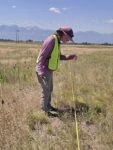
Learning How Bison Grazing Impacts Rangelands and Invasive Grasses
The 19,000-acre Bison Range on the Flathead Indian Reservation is the traditional homeland of the Confederated Salish and Kootenai Tribes. Here, the Salish, Kootenai, and Pend d’Oreilles tribes have focused on land restoration, soil health improvement, and invasive species containment in response to climate change. Invasive annual grasses, particularly Ventenata dubia, pose significant threats to […]
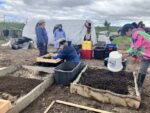
Training Ag Leaders in the Bering Strait
A large nonprofit with a long history in Alaska, the Rural Alaska Community Action Program (CAP) is well-known for its work addressing housing, workforce development, and health challenges. When COVID hit, the organization added food security work to their priorities. With the Coronavirus Aid, Relief, and Economic Security (CARES) Act funding, they initiated ten food […]
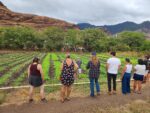
Building Bridges Across the Pacific
Collaboration, education, and community empowerment hold potential for driving positive change. Accordingly, Regional Food Business Centers in Hawaiian, Pacific Island, and Alaskan communities are harnessing their skills and resources to reach their shared vision of resilient, sustainable, and self-reliant local food systems. Geographic isolation, food transit logistics, large Indigenous populations, underdeveloped infrastructure, extreme climate change […]
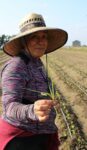
Reducing Weeds by 80% Using Solarization
La Buena Tierra farmer Maria de los Angeles Carrillo (Angeles) is delighted that her interest in researching a non-chemical pest management practice has reduced her weeds by 80%. Coquillo (nutgrass) was the exception and even that stubborn grass has been reduced greatly and grows weaker roots. Lab tests also demonstrated reduced Verticillium wilt in the […]
Growing Vegetables in Non-Circulating Hydroponic Beds
Growing vegetables hydroponically, such as bok choy or lettuce, can improve access to fresh produce in remote communities dependent on imported food. Additionally, the quality of locally grown produce can be higher than imported produce that can wilt during shipping. Download PDF
Photosynthesis & Hydroponics Lesson & Demonstration
Mt. Lata Farm in America Samoa created a Teachers' Resource Tool Kit with lesson plans on growing vegetables using hydroponics. This is one sample. For more information, contact the Project Leader .
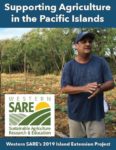
Supporting Agriculture in the Pacific Islands
Western SARE's 2019 Extension Project
Business Management Capacity for American Indian Agricultural Businesses
A curriculum on money and business management targeted for Native American participants.
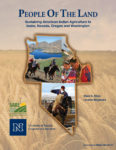
People of the Land
This Extension educator curriculum focuses on successful strategies for increasing the adoption of sustainable practices on reservation lands.