Showing 1-9 of 9 results
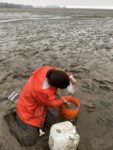
It's Oysters vs. Shrimp in Washington's Willapa Bay
For the past century, a silent war has waged in the tidal mudflats of Washington’s Willapa Bay. The combatants: native burrowing shrimp versus farmed Pacific oysters. Right now, the shrimp have the upper hand, but the oysters’ allies have been testing new weapons, hoping to turn the tide. One of those weapons? Sodium bicarbonate – […]
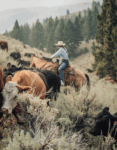
Range Riders
Most Western SARE research projects use science to develop new knowledge, insights or practices to help farmers and ranchers in their quest to be more successful and sustainable. Some, though, rediscover and refine old knowledge – like the effectiveness of range riding to protect livestock from predators like wolves, mountain lions and bears. “It’s fascinating […]
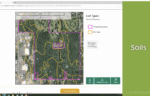
Landmapper
Landmapper is an open-source app that was created by Ecotrust to provide basic property summaries and maps involved with the preparation of forest stewardship plans. Landmapper How-To Video This short video walks potential users of Landmapper through the process of selecting a parcel within Oregon or Washington and creating a series of maps to help […]
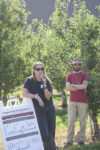
Breaking the Barriers to IPM Adoption in Wenatchee Pears
For all the promise, potential and profound benefits integrated pest management can bring, there’s also this harsh reality: IPM only works if people practice it. In some pear-growing regions in the Pacific Northwest, IPM is a widely accepted, effective and economical way to manage pear psylla and codling moth, the crop’s key insect pests. But […]
Propagating Tea Plants for the West
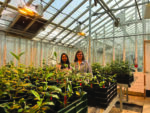
Tea is one of the most popular drinks in the world, second only to water in consumption. In America, you can find it in more than 80 percent of households. Finding it growing in U.S. soil is another story. Tea is produced on less than 100 acres in America, mostly in Hawaii and the South. […]
Estimating Plant-Available Nitrogen Release from Cover Crops
This Oregon State University fact sheet explains the basics of plant-available nitrogen (PAN); when to kill cover crops for the maximum PAN benefit; step-by-step instructions on how to perform site-specific measurements to predict PAN from your cover crop; and case studies from the Willamette Valley.
Large Raspberry Aphid
Large raspberry aphid is notable as a vector of viruses in Rubus, including Raspberry leaf mottle virus (RLMV, semi-persistent) and Raspberry latent virus (RpLV, persistent) in red raspberry, and Black raspberry necrosis virus (BRNV, non-persistent) in black raspberry. These viruses are to blame for decreased cane vigor and field decline requiring frequent replanting, as well […]

Earwigs Found to be Beneficial in Apple Orchards
Sustainable Agriculture Fact Sheet April 2020 Crop: Apples Need: Discovering whether earwigs are pest, neutral or beneficial insects in apple orchards States: Washington Background: Woolly apple aphids are a serious pest in apple orchards and are difficult to control with current insecticides. However, beneficial insect predators can […]
People of the Land
This Extension educator curriculum focuses on successful strategies for increasing the adoption of sustainable practices on reservation lands.