Showing 1-5 of 5 results
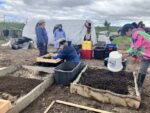
Training Ag Leaders in the Bering Strait
A large nonprofit with a long history in Alaska, the Rural Alaska Community Action Program (CAP) is well-known for its work addressing housing, workforce development, and health challenges. When COVID hit, the organization added food security work to their priorities. With the Coronavirus Aid, Relief, and Economic Security (CARES) Act funding, they initiated ten food […]
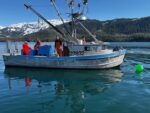
Can Kelp be Alaska’s New Agricultural Frontier?
Alaska is relatively new to the business of farming kelp, a type of seaweed gaining popularity across the globe because it’s healthy for humans and good for the planet, too. Kelp is rich in vitamins, minerals and protein, requires no soil or fertilizers to grow, provides habitat for fish, and balances ocean acidification caused by […]
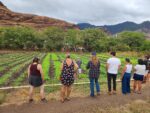
Building Bridges Across the Pacific
Collaboration, education, and community empowerment hold potential for driving positive change. Accordingly, Regional Food Business Centers in Hawaiian, Pacific Island, and Alaskan communities are harnessing their skills and resources to reach their shared vision of resilient, sustainable, and self-reliant local food systems. Geographic isolation, food transit logistics, large Indigenous populations, underdeveloped infrastructure, extreme climate change […]
Increasing Professional Knowledge of High Tunnels in Alaska
Sustainable Agriculture Fact Sheet July 2020 State: Alaska Commodity: Many Need: Increased knowledge of agriculture professionals about the construction and production in high tunnels in Alaska, so they can better assist growers. Background: High tunnels are regionally important in Alaska for season extension and provide a growing environment that allows for production of crops […]
Responses to COVID-19 in Western Ag
Agriculture in the Western Region has been greatly impacted by COVID-19 and its resulting Shelter in Place orders, labor and processing challenges, and strongly shifting consumer behaviors and markets. It has also become clear that our agricultural community has been responding quickly and creatively. Western SARE cares about our community and feels a responsibility to share ideas and strategies. Toward that end, we conducted a survey of our state coordinators and project leaders of grants funded in the past three years. The data and examples are listed below. We will also create a report from this information, along with ideas provided on how Western SARE itself should adapt to the crisis.